Toiletry among Alshigiyah Tribe and cultural assets .. «1-2» Events and the reasons for the use of cosmetics

(Alshigiyah Tribe big Sudanese tribe in upper North Sudan ).There are of course many of the events involving the use of cosmetics and ornaments such as weddings and weddings in general and religious holidays and family visits and the end of the period of childbirth and the end of the mourning period for relatives or saints or the arrival of guests from relatives or travel .. Etc. However, there are certain occasions characterized by a special status, and range from the use of ornaments in performance between the ceremonial hard and overwhelming sense of joy and celebration of painting .. We will start here by talking about Jertq considering its importance and its specificity in terms of content and form.
When our discussion of the historical and cultural ornaments that Jertq Old Nubian tradition and profound, and the weather is usually required in a number of occasions, they reflect the practice in the essential content of the vision of this man and the popular interpretation of the world and Stupid accidents. There are basic jewelry consists of Jertq repeated in all the occasions, although we note some variations and additions, especially in the later stages. Jertq and ornaments in a simplified form and quantity, limited crudes in semi-precious stones, silver, gold and iron in addition to those practices associated with the moment of his work. These ornaments are:
 1 - Bead
The most important elements Jertq at all and without it does not state Jertq - and are also mentioned due to the value of a stone being a valuable visual and tactile, physical particular. Although now replaced by the tradition of stained glass. Also be used to part octagon silver bead, although they do not sing it. Bead connecting thread of red silk in the right hand and wrist hanging down strands of red silk called «Calorie» Bead and referred to the same word as evidenced Alhriuep this word also Jertq the same .. Bead and comprehensive boy and boys are circumcised and the newlyweds and women bleeding following childbirth and in some cases Zar.
2 - Hammered
A decade of beads Alcolq must include a large bead or beads of beads worn by the couple and Alsomit Almokhtunan and bleeding following childbirth .. And have sometimes wrought as in the figure «63 a» a huge grain of Alsomit beads hanging on the chest with calories.
3 - Almhaherp
They all wore amulets of silver. In the case of Jertq used Alhvidp and splint wearing the double-headed appraisers in females and males without them.
4 - Crescent
An ornament for the front and the boy circumcised CHOOSE only.
5 - rosary Alser:
A large rosary hanging to below the waist and often from black coral.
6 - wearing the ring the pound and was hanging over the boy and boys are circumcised.
7 - attached the groom and the boy circumcised over Ktefehma sword is a symbol of masculinity and
When our discussion of the historical and cultural ornaments that Jertq Old Nubian tradition and profound, and the weather is usually required in a number of occasions, they reflect the practice in the essential content of the vision of this man and the popular interpretation of the world and Stupid accidents. There are basic jewelry consists of Jertq repeated in all the occasions, although we note some variations and additions, especially in the later stages. Jertq and ornaments in a simplified form and quantity, limited crudes in semi-precious stones, silver, gold and iron in addition to those practices associated with the moment of his work. These ornaments are:

The most important elements Jertq at all and without it does not state Jertq - and are also mentioned due to the value of a stone being a valuable visual and tactile, physical particular. Although now replaced by the tradition of stained glass. Also be used to part octagon silver bead, although they do not sing it. Bead connecting thread of red silk in the right hand and wrist hanging down strands of red silk called «Calorie» Bead and referred to the same word as evidenced Alhriuep this word also Jertq the same .. Bead and comprehensive boy and boys are circumcised and the newlyweds and women bleeding following childbirth and in some cases Zar.
2 - Hammered
A decade of beads Alcolq must include a large bead or beads of beads worn by the couple and Alsomit Almokhtunan and bleeding following childbirth .. And have sometimes wrought as in the figure «63 a» a huge grain of Alsomit beads hanging on the chest with calories.
3 - Almhaherp
They all wore amulets of silver. In the case of Jertq used Alhvidp and splint wearing the double-headed appraisers in females and males without them.
4 - Crescent
An ornament for the front and the boy circumcised CHOOSE only.
5 - rosary Alser:
A large rosary hanging to below the waist and often from black coral.
6 - wearing the ring the pound and was hanging over the boy and boys are circumcised.
7 - attached the groom and the boy circumcised over Ktefehma sword is a symbol of masculinity and
protection at the same time.

8- Omen «blind», henna «Henna»
Make a paste of powder smells of India «Pink and Custard» mixed with the odor Mahlbip liquid, and other odors, covers the surface of the head of this dough, then add the above fine powder of the promises of sandalwood and surrounded by the head of the then handkerchief red «for the groom and the boy only» installed on it at the front OrnamentAlso put henna on the day before the circumcision and before the marriage for the newlyweds
Make a paste of powder smells of India «Pink and Custard» mixed with the odor Mahlbip liquid, and other odors, covers the surface of the head of this dough, then add the above fine powder of the promises of sandalwood and surrounded by the head of the then handkerchief red «for the groom and the boy only» installed on it at the front OrnamentAlso put henna on the day before the circumcision and before the marriage for the newlyweds
Sudanese Henna Design
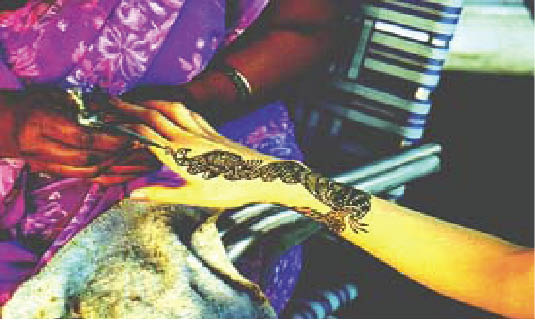


Henna For Bride
This is the most important jewelry Jertq which is a required element in the events childbirth, circumcision and marriage. In both cases, the first and second takes Jertq character ritually purely in the case of marriage, it, in addition to this side, take the celebratory and aesthetically pleasing secured Tndhav some of its elements to the masses of other special ornaments for the bride. We will discuss the features of these events to the extent consistent with the need for our jewelry and other ornaments, as well as our approach to other appropriate for the use of jewelry is the case of Zar
Jartig
First: childbirth:
There is a saying among the people that the rest of «neonatal death». The situation devolves means exposure to a pregnant woman because of the imminent dangers of purity because of the Pharaonic and primitive means that prevailed in obstetrics is what is known as «the birth cord». These dangers as well as a multitude of deep-rooted metaphysical concepts make it devolves appropriate mix of joy and fear, and add to the rituals and Gaara fraught with tension and dread, despite the attempts of behavioral and verbal formulas for optimism and hope.
In the previous period of Odua With the advent of the ninth month put henna on the hands and feet of a pregnant woman, and connects Mnzawma beads and shells in the form of a belt under the belly of a pregnant woman and along with Fashion Rabat, which are placed in the hair above the ear, one of silver, and hanging down, calories Jertq and a series Berugaha called Alchocao, must be caused by the swish of a particular function may be related to the terrorism of lives and driven out, and wear the ring (AP Rakuba) The stone called the stone of blood and belief that he stop the bleeding.
After childbirth linking Bead and placed Omen also burn incense component of alum «as an amulet fir protection» beads and the loan from the plant called a gumma and frankincense, and the group is considered an amulet fir protection and Talsma .. As well as poking circuit ligament in the wall opposite the bed bleeding following childbirth, or bleeding following childbirth do not leave alone especially at sunset as you shall not leave the place of darkness.
There is a saying among the people that the rest of «neonatal death». The situation devolves means exposure to a pregnant woman because of the imminent dangers of purity because of the Pharaonic and primitive means that prevailed in obstetrics is what is known as «the birth cord». These dangers as well as a multitude of deep-rooted metaphysical concepts make it devolves appropriate mix of joy and fear, and add to the rituals and Gaara fraught with tension and dread, despite the attempts of behavioral and verbal formulas for optimism and hope.
In the previous period of Odua With the advent of the ninth month put henna on the hands and feet of a pregnant woman, and connects Mnzawma beads and shells in the form of a belt under the belly of a pregnant woman and along with Fashion Rabat, which are placed in the hair above the ear, one of silver, and hanging down, calories Jertq and a series Berugaha called Alchocao, must be caused by the swish of a particular function may be related to the terrorism of lives and driven out, and wear the ring (AP Rakuba) The stone called the stone of blood and belief that he stop the bleeding.
After childbirth linking Bead and placed Omen also burn incense component of alum «as an amulet fir protection» beads and the loan from the plant called a gumma and frankincense, and the group is considered an amulet fir protection and Talsma .. As well as poking circuit ligament in the wall opposite the bed bleeding following childbirth, or bleeding following childbirth do not leave alone especially at sunset as you shall not leave the place of darkness.
The newborn child links the string around his waist by six of the skin and is believed to be called «prevents Anbhal insisting the child» and shells is the same amulet fir protection against the kinds of evil. As well as the link in the child's hands and feet yarn, cotton is one of «the righteous» or religious «Senate or the poor» may «intention» of any read is being held offshore spells and verses from the Koran, and after forty days, remove the strings and attached veil of a small child's neck when the verses and spells, and when infancy of the child placed a splint and sometimes Alhvidp and remain in his wrist or hung over his chest «Alhvidp» At the time of circumcision are not worn after that .. After forty days out of her house bleeding following childbirth and a shower, wearing jewelry in full.
Second: Circumcision
Before circumcision one day be held banquets and celebration is being put henna «celebration for the circumcised male and female is not only the female moved with compassion, non-noise» .. After circumcision possess the boy or boys jewelery Jertq with Omen. It may be the difference between these ornaments and private counterparts Baerocn limited in the type of decoration and the degree of perfection. These ornaments for the boys circumcised much simpler and less expensive. It is noticeable that the boy next to Imithq Jertq carries a sword and a whip of the skin, as well as boys wear ring (AP Rakuba) mentioned a particular course, only females in the case of female genital mutilation and childbirth. The mother of the boy or boys, or one of the women relatives of the same status and child, jewelry Bibashma Jertq Fal, and the work associated with this process and mumbles continuum of invitations
Before circumcision one day be held banquets and celebration is being put henna «celebration for the circumcised male and female is not only the female moved with compassion, non-noise» .. After circumcision possess the boy or boys jewelery Jertq with Omen. It may be the difference between these ornaments and private counterparts Baerocn limited in the type of decoration and the degree of perfection. These ornaments for the boys circumcised much simpler and less expensive. It is noticeable that the boy next to Imithq Jertq carries a sword and a whip of the skin, as well as boys wear ring (AP Rakuba) mentioned a particular course, only females in the case of female genital mutilation and childbirth. The mother of the boy or boys, or one of the women relatives of the same status and child, jewelry Bibashma Jertq Fal, and the work associated with this process and mumbles continuum of invitations

Henna Cermoney for Groom
HennaFilm
http://www.rayaam.info/News_view.aspx?pid=998&id=81373
نفس الموضوع بالعربية :أدوات الزينة عندقبيلة الشايقية وأصولها الثقافية.. «1-2» مناسبات ودواعي استعمال أدوات الزينة

هناك بالطبع العديد من المناسبات التي تستخدم فيها أدوات الزينة والحلى مثل مناسبات الزواج والأفراح بصورة عامة والأعياد الدينية وزيارات الأهل وانتهاء فترة الوضوع وانتهاء فترة الحداد علي الأقارب أو الأولياء الصالحين أو قدوم ضيوف من الأقارب أو السفر.. إلخ إلاَّ ان هنالك مناسبات معينة تتميز بوضع خاص، ويتراوح استعمال الحلى فيها بين الأداء الطقسي الجاد والشعور الغامر بفرح الاحتفال والتزين.. وسنبدأ هنا بالحديث عن الجرتق بإعتبار أهميته وخصوصيته من حيث المحتوى ومن حيث الشكل.
عند مناقشتنا للأصول التاريخية والثقافية لأدوات الزينة أن الجرتق تقليد نوبي قديم ومتأصل، وعادة طقسية لازمة في عدد من المناسبات، فهي ممارسة تعكس في مضمونها الأساسي رؤية هذا الانسان الشعبي وتفسيره للعالم وحوادثه. وهناك حلى أساسية يتكون منها الجرتق تتكرر في كل مناسباته، وإن كنا نلاحظ بعض التنويعات والاضافات خاصة في المراحل المتأخرة. وحلى الجرتق مبسطة في شكلها وكمها، وتنحصر خاماتها في الأحجار شبه الكريمة والفضة والذهب والحديد إلى جانب تلك الممارسات الخاصة المرتبطة به لحظة عمله. هذه الحلى هي:
1- الخرزة
وهي أهم عناصر الجرتق على الاطلاق ومن دونها لا تقوم حالة الجرتق- و هي كما ذكرنا ترجع قيمتها إلى كونها حجراً ذا قيمة بصرية ولمسية وفيزيقية خاصة. وإن كان يستعاض عنها الآن بتقليدها من الزجاج الملون. كذلك تستعمل إلى جانبها خرزة المثمن الفضية وإن كانت لا تغني عنها. تربط الخرزة بخيط من الحرير الأحمر في معصم اليد اليمنى وتتدلى منها خصلات من الحرير الأحمر تسمى «حريرة» ويشار إلى الخرزة نفسها بلفظة الحريوية هذه كما تدل اللفظة أيضاً على الجرتق نفسه.. والخرزة شاملة للصبي والصبية المختونين وللعروسين والمرأة النفساء وفي بعض حالات الزار.
2- المطرق
وهو عقد من حبات الشولق يجب ان يشتمل على حبة كبيرة أو حبات من خرز السوميت ويلبسه العروسان والمختونان والنفساء.. ويكون المطرق أحياناً كما في الشكل «63أ» حبة ضخمة من خرز السوميت تتدلى فوق الصدر مع الحريرة.
3- المشاهرة
وهي كل ما يلبس من تمائم الفضة. وفي حالة الجرتق تستعمل الحفيضة والجبيرة التي تلبس برأسين مثمنين عند الآناث ومن دونهما عند الذكور.
4- الهلال
وهي حلية الجبهة الخاصة بالعريس والصبي المختون فقط.
5- سبحة اللسر:
وهي سبحة ضخمة تتدلى إلى ما تحت الخصر وهي غالباً من المرجان الأسود.
6- يلبس خاتم الجنيه ويعلق فوق صدر الصبي و الصبية المختونين.
7- يعلق العريس والصبي المختون سيفاً فوق كتفيهما فهو رمز للرجولة وحماية في نفس الوقت.
8- الفال «الضريرة» والحناء «الحنة»
تصنع عجينة من مسحوق من الروائح الهندية «القرنفل والمحلب» الممزوجة بريحة المحلبية السائلة، وروائح أخرى، يُغطى سطح الرأس بهذه العجينة ثم يضاف من فوقها مسحوق ناعم من عود الصندل ويحاط الرأس من ثم بمنديل أحمر «بالنسبة للعريس والصبي فقط» مثبت فيه عند الجبهة حلية الهلال المذكورة وهذا بالنسبة للذكور فقط. كذلك توضع الحناء في اليوم السابق للختان وقبل الزواج بالنسبة للعروسين.
هذه هي أهم حلى الجرتق التي تعتبر عنصراً لازماً في مناسبات الوضوع والختان والزواج. وفي الحالتين الأولى والثانية يأخذ الجرتق طابعاً طقسياً بحتاً أما في حالة الزواج فإنه، إضافة لهذا الجانب، يتخذ مضموناً جمالياً احتفالياً وتنضاف بعض عناصره إلى جموع الحلى الأخرى خاصة بالنسبة للعروس. وسنتناول ملامح من هذه المناسبات بالقدر الذي يتوافق مع ضرورة عرضنا للحلى وأدوات الزينة الأخرى، وذلك إلى جانب تناولنا لمناسبة أخرى لاستعمال الحلى هي حالة الزار.
أولاً: الوضوع:
هناك قول سائر بين الناس بأن «الولادي موت». فحالة الوضوع تعني تعرض الحامل لاخطار ماحقة بسبب الطهارة الفرعونية وبسبب الوسيلة البدائية التي كانت سائدة في التوليد وهي ما يعرف «بولادة الحبل». هذه الاخطار إلى جانب كثرة من المفاهيم الغيبية العميقة الجذور تجعل من مناسبة الوضوع مزيجاً من الفرح والخوف، وتضفى على طقوسها وقاراً مشوباً بالتوتر والرهبة، رغم المحاولات السلوكية والصيغ القولية الداعية للتفاؤل والأمل.
في الفترة السابقة للوضوع ومع حلول الشهر التاسع توضع الحناء على يدى وقدمي المرأة الحامل، ويربط منظوماً بالخرز والودع في شكل حزام تحت بطن الحامل وذلك إلى جانب حلية الرباط التي توضع في الشعر أعلى الأذن وهي من الفضة وتتدلى منها حريرة الجرتق ومجموعة سلاسل ببروقها تسمى الشوشاو، لا بد وأن يكون للحفيف الذي تحدثه وظيفة معينة ربما تتعلق بارهاب الأرواح وطردها، كما تلبس خاتم (اب راكوبة) ذا الحجر المسمى حجر الدم والمعتقد بأنه يوقف النزيف.
بعد الوضوع تربط الخرزة ويوضع الفال كما يحرق البخور المكون من الشب «باعتباره حرزاً» وحبات من نبات القرض وصمغه ويسمى باللبان، وتعتبر هذه المجموعة حرزاً وطلسماً.. كذلك تغرز حلبة الرباط في الحائط قبالة سرير النفساء، ولا تترك النفساء وحدها خاصة وقت الغروب كما يراعى عدم ترك المكان مظلماً.
أما الطفل الوليد فيربط حول خصره خيط من الجلد به ست ودعات يعتقد بأنه «يمنع انبهال مصران الطفل» والودع نفسه يعتبر حرزاً ضد أنواع الشر. كذلك تربط في يدى الطفل ورجليه خيوط قطنية يكون أحد «الصالحين» أو المتدينين «الشيوخ أو الفقراء» قد «عزم» عليها أي قرأ قبالتها تعاويذ وآيات من القرآن، وبعد أربعين يوماً تنزع هذه الخيوط ويعلق حجاب صغير في رقبة الطفل فيه آىات وتعاويذ، وعندما يحبو الطفل توضع له الجبيرة وأحياناً الحفيضة وتظل في معصمه أو معلقة فوق صدره «الحفيضة» حتى وقت ختانة فلا يلبسها بعد ذلك.. وبعد الأربعين يوماً تخرج النفساء من بيتها وتستحم وترتدى حليها كاملة.
ثانياً: الختان
قبل الختان بيوم واحد تقام الولائم ويجري احتفال بوضع الحناء «الاحتفال بالنسبة للذكر والمختون فقط من غير الأنثى أما الأنثى فتحنن من غير ضوضاء».. بعد الختان يتحلى الصبي أو الصبية بحلى الجرتق مع الفال. وربما يكون الاختلاف بين هذه الحلى ورصيفاتها الخاصة بالعروسين محصوراً في نوع الزخرف ودرجة الاتقان. فهذه الحلى الخاصة بالصبية المختونين أكثر بساطة واقل تكلفة. والملاحظ ان الصبي يمتشق بجانب الجرتق سيفاً ويحمل سوطاً من الجلد، كذلك تلبس الصبية خاتم (اب راكوبة) المذكور وهو بالطبع خاص بالاناث فقط في حالة الختان والوضوع. وتقوم والدة الصبي أو الصبية، أو إحدى النسوة من الاقارب من ذات المكانة والولد، بإلباسهما حلى الجرتق وعمل الفال وترافق هذه العملية تمتمات متصلة من الدعوات
يوبيل الذهبي لزواج دام50سنه
Will be continue-
By: Bitalsudan June2011


