Sunday, September 2, 2012

Happy Labour Day 2012 for Canada

يعتبر اول يوم الاثنين من ديسمبر عطله رسميه (2ديسمبر) في كل من كندا وامريكا حيث يحتفل بعيد العمال وعادة ما تكون معظم المكاتب الحكوميه ووالمؤساسات الخاصه في عطله رسميه حيث يعتبر هذا اليوم الذي اعتراف بمكانت العمال في اقتصاد الدول بداء الاحتفال والاعتراف في كندا بعد (حركة التسع الساعات ) كنزاعات عماليه التي قامت في هملتون 1870مما ادي ال ظهور قانون الاتحاد التجاري .الذي اضفي الصفة القانونيه  وقام بحامية نشاط الاتحاد وذلك في عام 1972 في كندا  وقامت العديد من المسيرات السلميه لدعم حركة التسع ساعات كما ادي اضراب عمال الطباعه لذا تقر الاحتفال السنوي في كندا وذلك في عام 1882،شهد زعيم العمال الامريكي بيتر ج ماكغوايرا احدي احتفالات عيد العمال في تورنتو واستلهاما من احداث الاحتفالات الكنديه بتورنتو الكنديه عاد الزعيم الي نيويورك ليقوم بتنظيم عيدا للعمال يحتفل فيه بنفس اليوم وهو الخامس من سبتمبر من كل عام .تم الاحتفال باول عيد عمال بامريكيا في مدينة نيويورك في عام 1882/5/ 9حيث كان العمال  في امريكيا يعملون بأجور زهيدة وساعات عمل طويله وحوالي 14 ساعه في اليوم وكان هذا إجحاف شديد  في حق العمال الذين كانوا يعيشون حياة البؤس ويستغلهم اصحاب العمل في آخذهم للعمل وكانوا كل الاله يعملون دون توقف الا ان شعروا بالظلم وقاموا بثورات وتمرد حتي وصل صوتهم للمسؤلين وتم اقتيل العديد من الثوار ومن ثم اعترف بحقهم ومن ثم في عام18946كان قد وقع  بوبلمان ستراك
(اضراب بولمان) وضع الرئيس الامريكي جروفر كليفلاند اقرتكون هنالك اولويه سياسيه تجاه قضية العمال وخوفا من المزيد من الصراعات تم تشريع عيدالعمال وجعله عطله وطنيه من خلال تمريره الي الكونغرس والموافقة عليه بالاجماع فقط بعد سته ايام من الاضراب وقرر ان يكون الخامس من سبتمبر يوم عطله رسميه للعمال في كل امريكا 
 ومن المهم جدا بالنسبة  لإخواتنا وأخواننا المقيمون ان تعرفوا حقوقكم العمليه لان كثير من اصحاب العمل يستغلون جهلكم ويجعلونكم تعملون في يوم عطلتكم فنصيحتي التي أودان أقولها ان كانت عامل او عامله في وظيفه ثابته وطلب صاحب العمل منكم العمل في هذا اليوم لا اقول ارفضوا بل اقول اقبلوا شريطة ان يدفع لكم اجر يوم ونصف او دبل
(مضاعف) لان هذا حقكم وان لم يعطيكم صاحب العمل يحق للعامل او العامله رفع شكوي ضد صاحب العمل فهذا يعتبر مخالف للقانون العمل بكندا لذا معرفت حقوقكم مهم . 
يحتفل بيعيد العمال في معظم بلدان العالم في الاول من مايووصادف عيد العمال في بعض البلدان العربيه التي تمر بثورات التغير فاول العمال علي هذه التغيرات السياسيه في تحسن وضع العمال في ضمن التغيرات التي تأمل تلك البلدان ان تشهدها بعد الثورات.
شهدة مدينة فانكوفر احتفالات رائعة بعيد العمال في مناطق متفرقه بكندا و ان العطله دوما تصادف اخر يوم في العطلة الصيفية فالاطفال والاهالي يحرصون علي قضاؤها في المنتزهات ويقيمون الشواء ويلعب الشباب والاطفال ويمرح الجميع وبينما تقوم الجهات والنقبابات العماليه بكرنفالات وانشطه متعدده احتفالا بهذ العيد علي وجه الخصوص قامت القلم بتغطية عيد العمل بمتحف قرية برنبي لاBuranby Village
كان احتفال كبير حيث المرح والموسيقي والالعاب البهلوانيه والغناء القديم ولعب الاطفال كان المتحف مكتظ بالزوار باعتبار انه اخر يوم لموسم افنناح المتحف والدخول المجاني .
 In Canada, the first Monday of September is a public, or statutory, holiday called Labor Day (actually the Canadian spelling is Labour Day).
In 2012, Labour Day falls on Monday, September 3. All of Canada's 10 provinces and three territories observe this holiday.

The Labour Day weekend is the last big travel weekend of the summer, as school starts up again in the majority of places on the day after Labour Day.
The Labour Day holiday in Canada, as in the U.S., celebrates worker solidarity. Most workers, public or private, are entitled to take statutory holidays off with regular pay. Some businesses remain open on holidays, such as medical clinics and some stores, restaurants, and tourist attractions.

What Happens on the Labour Day Weekend

Lots of people head up north to cottages, campsites or other getaways
http://www.midnightpoutine.ca/music/2012/09/labour_day_weekend_triple_piknic_electronik/

Labour Day Weekend Triple Piknic Electronik

Posted by Cindy / September 2, 2012
MIG_PIKNIC-2012-05-21_0001-72 2.jpgSummer in Montreal might be winding down slowly, but this weekend it's going out with a bang over at Parc Jean Drapeau. Piknic Electronik will be partying all day and night with their Labour Day Weekend/Back to School Special September 1st through the 3rd. The weekend will feature nearly 20 Djs on both stages for 3 days.
MIGLEGO_PIKNIC_-2011-09-04_9797 2.jpgJM_press4 2.jpgSince it's back to school time, students get a deal today if they arrive before 4pm with a valid student ID. Today features young Montreal house duo Prince Club as well headlining will be the techno house sounds of German based DJ Thomas Schumacher. He has had legendary sets at both Piknic and Igloofest.
Sunday features the best from the Montreal DJ scene. Green and Lateez are a groovy electro duo who play the 1st Saturday of the month at Salon Daomé and will be taking their funky beats to the outdoor stage. As well, Montreal's favourite DJ Misstress Barbara will be playing her hard beat techno stylings and getting the crowd dancing as she has done each year at every single Piknic.
Monday is the Dirtybird BBQ edition and it has no shortage of great tunes as well as something cooking on the grill. Monday features Nick Monaco bringing his bassy exploits as well as ending the evening with 5 hour DJ set featuring the melodic sounds of Justin Martin (featuring fellow DJ Claude VonStroke tag teaming during the set).
The weather will be incredible to dance for either one day or for the whole weekend. It's not the last dance for Piknic as they have more show in their Big 10 series as well as a Pop Montreal Edition. Piknic as a lot of music in store as they close out their 10th anniversary celebrations this September.
Check out Piknicelectronik.com for tickets and upcoming events.
Misstress Barbara and Jean Drapeau exterior photo credit: Michel Legault.
Thomas Schumacher and Justin Martin photo courtesy of Piknic Electronik.

(اتقان العمل)
ايها العمال افنوا العمر كدا واكتسابا
واعمروا الارض فلولا سعيكم امست يبابا
اتقنوا يحببكم الله ويرفعكم جنابا
ان للمتقن عند الله والناس الثوابا
ارضيتم ان تلرى مصر من الفن خرابا
بعد ان كانت سماء للصناعات وغابا
اطلبوا الحق برفق واجعلوا الواجب دابا
واستقيموا يفتح الله لكم باب فبابا


Tuesday, August 28, 2012

National Sudanese Singer Omer Ehsas in Vancouver

                         Our Great Sudanese  Musical Ambassador

 
 Omer Ihsas
Omer Ihsas is a Sudanese singer and composer. Omer Ahmed Mohamed Mustafa, which is his official name, lives with his wife, Fawzia Abdelrazig, and their 4 children, Ryan, Raoaa, Ahmed and Awaab in Khartoum, the capital of Sudan.

Haquiba – the beginning

Omer Ihsas, born and raised in Nyala, the capital of Sd-Dafur, began quite early singing Haquiba songs. Haquiba is a kind of folksinging whereby the singer accompanies himself on an instrument Tomtom and/or with percussions as well as being accompanied by other vocalists.

The composer - musical friends


He finds his style and begins to compose songs. During this time he performs with various befriended musicians, such as Ibrahim Sonata, Ahmed Bass, Mohamed Tarneen, Mickael Aldao, Abosarei, Mohamed Suleiman Guitar, Mohamed Yagoub Agali, Alshazali, Fakhri.

Khartoum – Radio Omdurman


1981 he goes to Khartoum to the “Union for Theatre and Music”. The committee from Radio Omdurman finds his voice good. From this time on he can be heard in radio and television. Ihsas begins his studies on the “Higher Music Institute” in Khartoum.

New style of music - Enthusiasm


1991 he presents his compositions for the Sudan in a totally new musical style. Omer Ihsas succeeds in bringing together the strong rhythms of Darfur percussion with the lightness of the music of the modern times and is able to convince his audiences with this new style of music.

International festivals - Medals of Honour

From then on his international career begins. 1996 he reaches 3. place at the Arabic Song Festival in Tunesia, 2000 he receives the silver medal for the video clip of his song Zoali and 2001 Omer Ihsas wins first prize at the Song Festival in Libanon for Hamra and his new musical style.

Musical Tours in the Sudan and the rest of the world

He sings and presents his compositions, which stand for Hope and Peace, in many lands, such as in Kenya, Chad, Eretria, South Africa, India, Sri Lanka, Germany, Austria, Holland, Switzerland, England, USA and Canada. In the Sudan he tirelessly tours the areas of crisis, such as in the south and in the camps in Dafur, singing for peace.

Music Productions


Five musical albums go into production: Zoali, Hamra, Alsahairoon, for Dafur we sing, and Imagine.
(read more ...)

Today - Musical Ambassador

Omer Ihsas is considered as the Ambassador for Peace and the new musical style for his homeland. He is a member of the Sudanese General Union for Music Professions - Omdurman / Sudan, the Union for Theatre and Music in Khartoum South / Sudan, President of the Community of Nyala - Khartoum / Sudan and Creative Director for Soulconversation Austria for Sudan.
To see this great singer alive please join us on 
                                                     Sep8/2012 In Vancouver BC

For more info about Omer Ehsas please check this link & videos:-

 http://www.soulconversation.com/english/omar.html
http://www.sudaneseonline.com/en2/publish/Latest_News_1/Sudanese_Musicians_Demonstrate_Unity_in_Chicago.shtml

Wish all you join us in this life show

Tuesday, July 24, 2012

Sudanese Culture Shaw

We try our best to represent Sudan in North America through culture show and sell some Sudanese Products
Sudanese Culture show at Edmonds Festival Fair on July22/2012 


 اتمني ان نكون قد اظهرنا صوره مشرفة للسودان من خلال هذه المشاركة المتواضعه في القرية العالميه بمهرجان بشارع ادمون بمحلية برنبي بمقاطعة كومبيا البريطانية    
مع تمنياتنا في لقريب العاجل بمعرض ثقافي متكامل في مدينة فانكوفر
تحياتي بت السودان
24.07.2012

Saturday, July 21, 2012

رمضان في السودان عادات باقية وأخرى في طريقها الى الزوال

رمضان في السودان عادات باقية وأخرى في طريقها الى الزوال، والكبار السن يتحسرون على ايام زمان
الخرطوم - المسحراتي احدى الطقوس الرائعة في شهر رمضان على ‏ ‏الرغم تعدد السهرات الرمضانية والتقاء الافطار بالسحور مع وجود القنوات الفضائية ‏ ‏المتنوعة الا ان سماع المسحراتي بطبله ونوبته وصوته الرخيم عندما ينادي "يا صايم ‏ ‏قوم اتسحر وأعبد الدائم" يضفي لونا خاصا على الاجواء الرمضانية بالسودان ومع تقدم الزمان اختفت الكثير من تقاليد الشهر الكريم القديمة والراسخة في ‏ ‏تراث الشعب السوداني والموروث الثقافي الديني نتيجة لمظاهر العادات الوافدة ‏ ‏والضغوط الاقتصادية وسرعة إيقاع الحياة في حين ما زالت الأمسيات تزدهر بالحركة في ‏ ‏المقاهي وتكثر طلبات المشاريب من الزبائن ويبدأ المقهى باجتذاب الناس ويشكل مكان ‏ ‏التقاء للذين لا يلتقون ساعات النهار ويتناول اهل السودان في اجواء الاسحار الرمضانية المشروبات والأطعمة التقليدية ‏ ‏الخاصة بهم دون غيرهم من الدول الإسلامية مثل "الحلو - مر" وهي عادة تقوم باعدادها ‏ ‏عدد من نسوة الحي مجتمعات حيث يتكون من طحين الذرة (الزريعة) يطحن ثم يخلط مع ‏ ‏أنواع كثيرة ومختلفة من التوابل ويتم عجنه وخلطه وصنع منه رقائق حمراء على النار ‏ ‏توضع لاحقا فى الماء البارد وتخلط مع السكر ليستخلص منها منقوع رائع الطعم ويمتاز ‏ ‏بخاصية إخماد العطش كما ان وهناك أيضا رقائق دقيق الذرة البيضاء التي تطهى على ‏ ‏النار ويصنع منها مشروب أبيض له خاصية الارواء والإشباع اضافة الى شربات ‏ ‏"القونقوليز" وهي ثمار أشجار "الهجليج" التي تنقع في الماء وتصفى ويوضع السكر مما ‏ ‏يعطيها مذاقا حلو يميل إلى الحموضة (كما يعد طبق "العصيدة" من الوجبات التقليدية لاهل السودان وتتكون ‏ ‏من خلطة عجين الذرة المطهي وتؤكل مع طبيخ التقلية ذات اللون الأحمر ومكوناته ‏ ‏تتألف من البامية الجافة المطحونة مع اللحمة المفرومة وتزخر المائدة الرمضانية السودانية بصنوف من الأطعمة التي تشارك فيها الموائد ‏ ‏العربية والإسلامية الأخرى وتتألف من عصائر الفاكهة والتمر واللحوم والأرز وغيرها ‏ ‏من المكسرات والحلويات ويمكن القول أن الطقوس التي تمارس في رمضان لها طعم خاص ومذاق طيب ولكن في ‏ ‏السنوات الأخيرة انحسرت هذه الطقوس وبدأت في التلاشي واليوم نسافر في رحلة عبر ‏ ‏الزمان مع مجموعة من السيدات حول رمضان أيام زمان وتقول الحاجة نفيسة عبدالله قائلة ‏ ‏"يا حليل أيام زمان حيث كنا نبدأ في استقبال شهر رمضان منذ شعبان وذلك بزراعة ‏ ‏الزريعة (الذرة النابتة) وطلاء الأواني المنزلية وفي ذلك اليوم يجتمع نساء الحي ‏ ‏في جلسة عصرية يصاحبها تناول الشاي واللقيمات أما يوم (عواسة) الحلو- مر فهو يوم ‏ ‏عيد للاطفال حيث يستمتعون بأكل (الحلو- مر) وهو من النار ويكون له طعم لذيذ ورائحة ‏ ‏طيبة أما الآن فقد تغير الوضع وأصبحنا نشتريه من الأسواق وفقدنا لمة الأحباب واستدركت الحاجة نفيسة بالقول أن الشهر لا زال يتميز بروح الجماعة التي تسود ‏ ‏فيه وذلك بتبادل الأطعمة بين الجيران إلى جانب حلقات السمر التي يلتف حولها صبية ‏ ‏الحي على الرغم من انشغالهم بمشاهدة القنوات الفضائية التي تمنعهم أحيانا من ‏ ‏أداء الفريضة وتقول الحاجة أم الحسن السيد ان رمضان شهر كريم وهو شهر توبة وغفران والطقوس ‏ ‏التي تمارس فيه تعطيه طعم ولكنها تأسف لتخلي معظم الناس عن الكثير من العادات ‏ ‏والممارسات الرمضانية وأهمها الإفطار الجماعي والإفطار في الشوارع والذي انحصر في ‏ ‏أحياء معينة وتضيف انه الاغلبية العظمى استغنت عن (الحلو- مر ) حيث تم استبداله ‏ ‏بالقمردين والعصائر المصنعة رغم فوائد (الحلو- مر) لاحتوائه على مواد غذائية كالذرة ‏ ‏وبعض أنواع الأعشاب والتوابل مثل الحلبة والكمون
واردفت تقول ان اعداد المائدة الرمضانية اختلف عما كان عليه في السابق حيث ‏ ‏كانت تحتوي على صحن (البليلة) وصحن اللقمة والبلح وجردل (الحلو- مر) واليوم تعددت ‏ ‏الأصناف وكثرت مسميات الأطعمة والعصائر ومع ذلك فان شهر رمضان يظل عند السودانيين ‏ ‏هو ذلك الشهر الكريم الذي يتراحم فيه الناس كما يعفو فيه بعضهم عن البعض وتمتد ‏ ‏الأيادي البيضاء لتأخذ بيد الضعفاء والمحرومين وتحلق النفوس بعيدا عن متاع ‏ ‏الدنيا الفانية طلبا لرضاء ربها في الدنيا والآخرة
اما شهر رمضان في الجزء الشمالي من السودان تتقارب فيه العادات والتقاليد وإن ‏ ‏تعددت فيه القبائل حيث تبدأ التجهيزات الرمضانية بهذا الشهر من وقت مبكر ومن ‏ ‏المظاهر التي يقومون بها هي موائد الافطار الجماعية خارج المنازل أو في المسيد ‏ او الخلوة ‏أو كل مجموعة على رأس شارع ترقبا للمارة وعابري السبيل لدعوتهم لتناول الافطار ‏ ‏وبعد الافطار يكون الجلوس في حلقات للحديث والحكايات وبعد ذلك الذهاب الى المسجد ‏ ‏لأداء صلاة التراويح وفي الشمال نجد أن هناك جزء كبير من الناس يخلدون الى النوم في وقت مبكر ليس ‏ ‏كباقي المناطق أو الوسط ومن أجمل الأشياء فيه اجتماع شباب الأحياء ليؤدون دور ‏ ‏(المسحراتي) حاملين الدفوف لطرقها منادين في الناس ومرددين بعض الأناشيد الدينية ‏ ‏ليتناولوا سحورهم وأداء صلاة الفجر في جماعة وفى غرب السودان يمثل مساحة مهمة جدا في تكوين السودان من جانب ‏ ‏الفولكلور وما يلي محاولة للوقوف على هذا الجانب في شهر رمضان في دارفور وكردفان ‏ ‏بتوزيعها القبلي وعاداتها في تناول الوجبات في هذا الشهر الكريم عند اقتراب ‏ ‏رمضان حيث يستعد الناس لهذا الشهر المبارك بتجميع المواد الرمضانية
وتتشابه العادات في الغرب في هذا الشهر مع الشمال والشرق وما يميزها التجمع ‏ ‏الشبابي والمساهمة في إعداد حلقات قرآنية جماعية ونفير بعد تناول الإفطار ومن بعد ‏ ‏ذلك يؤذن لصلاة التراويح ليجتمعون بعد أدائها في النوادي والتجمعات حول الأحياء ‏ ‏انتظارا حتى ساعات السحر الذي يقوم به الشباب بترديد كما تنعدم المناسبات الاجتماعية في شهر رمضان كالأعراس وغيرها اعتقادا من ‏ ‏الناس أن هذا الشهر شهر للتوبة فقط ولا يسمح أن يصاحبه الترف الذي ربما يقود ‏ ‏الشباب الى الأعمال غير الكريمة ومعظم الناس يقضون وقتهم في هذا الشهر المبارك في ‏ ‏جماعات لتلاوة آيات من كتاب الذكر الحكيم


Tuesday, July 17, 2012

Welcam Ramdan رمضـــان كـريـــــم

Welcome Ramadan

 
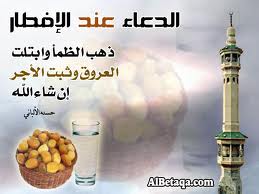
O People! The month of Allah (Ramadan) has approached you with His mercy and blessings. This is the month that is the best of all months in the estimation of Allah. Its days are the best among the days; its nights are the best among the nights. Its hours are the best among the hours. This is a month in which he has invited you. You have been, in this month, selected as the recipients of the honors of Allah, the Merciful. In this holy month, when you breathe, it has the Sawab/thawab (heavenly reward) of 'Tasbeeh' (the praise of Allah on rosary beads), and your sleep has the thawab of worship. Your good deeds are accepted in this month. So are your invocations. Therefore, you must invoke your Lord, in right earnest, with hearts that are free from sins and evils, that Allah may bless you, observe fast, in this month, and recite the Holy Qur'an. Verily! The person who may not receive the mercy and benevolence of Allah in this month must be very unfortunate having an end as bad (in the Hereafter). While fasting, remember the hunger and thirst of tomorrow in Qiyamat. Give alms to the poor and the needy. Pay respects to your elders. Have pity on those younger than you and be kind towards your relatives and kinsmen. Guard your tongues against unworthy words, and your eyes from such scenes that are not worth seeing (forbidden) and your ears from such sounds that should not be heard by you. Be kind to orphans so that when your children become orphans they also may be treated with kindness. Do invoke that Allah may forgive your sins. Do raise your hands at the time of Salat (Prayers), as it is the best time for asking His mercy. When we invoke at such times, we are answered by Him, when we call Him, He responds, and when we ask for anything, it is accepted by Him. O People! You have made your conscience the slave of your desires; make it free by invoking Him for Istighfar (repentance/forgiveness). Your back is breaking under the heavy load of your sins, so prostrate before Him for long intervals and make it lighter. Do understand fully well that Allah has promised in the name of His Majesty and Honor that He will not take to task such people who fast and offer Salat in this month and perform 'sajda' (prostration), and will guard their bodies against the Fire of Hell on the Day of Judgment. O People! If anybody amongst you arranges for the 'Iftar' (food for the ending of the fast) of any believer, then Allah will give him a reward as if he has set free a slave. He will forgive his minor sins. Then the companions of the Prophet (S.A.W.) said: "But everybody amongst us does not have the means to do so?" The Prophet told them: - Keep yourself away from the Fire of Hell, by inviting for 'Iftar', though it may consist of only half a date or simply with water if you have nothing else. O People! Anybody who may cultivate good manners in this month will walk over the 'Siraat' (Bridge) in 'Qiyamat', though his feet may be shaking. Anybody who in this month may take light work from his servants (male or female), Allah will make easy his accounting on the Day of Judgment. Anybody who does not tease others in this month, Allah will keep him safe from His wrath in Qiyamat. Anybody, who respects and treats an orphan with kindness in this month, Allah shall look at him with dignity in Qiyamat. Anybody who treats well his kinsmen, in this month, Allah will bestow His mercy on him in Qiyamat, while anybody who maltreats his kinsmen in this month, Allah will keep him away from His mercy, in Qiyamat. Whoever offers 'Sunnat' (Recommended) prayers in this month, Allah will give him a certificate of freedom from Hell. Whosoever offers one 'Wajib' Salat in this month, for him the Angels will write the rewards of 70 such prayers, which were offered by him in any other months. Whosoever recites repeatedly 'Salat and salam' on me, Allah will keep the scales of his deeds heavy, when in Qiyamat the scales of others will be tending towards lightness. Whosoever recites in this month only one 'Ayat' (verse of the Holy Qur'an), he will be rewarded in a manner as if he had recited the full Qur'an in the other months. O People! The Gates of Paradise remain opened in this month. Do invoke that the gates may not be closed on you, while the Gates of Hell are closed. Do invoke that these gates may never be opened. During this month Shaytan (Saten) is imprisoned so ask your Lord not to let him have power over you.
 

Ramadan in Sudan

One wouldn't usually expect to hear a rhythmic drum beat accompanied by young men's voices at 3:30 a.m. But this is Ramadan in Sudan, and the call is to awaken Muslims intending to embark on another day of fasting.
Waking Up to Ramadan The young men energetically make their way through Khartoum's suburbs to ensure that Muslims aren't sleeping. Their spirited alarm bells come about an hour-and-a-half before the Prayer call for Fajr (the first of Islam's five compulsory Prayers) when Muslims stop eating until sunset during Ramadan. It is prescribed that Muslims have sohour, a meal before the Fajr Prayer commences, and it seems the young men want no person to skip this early morning breakfast. Their vigorous stomping would liven up even the sleepiest among us. Although there wasn't really a sense of buildup prior to Ramadan in Khartoum, the ninth Islamic month has certainly delivered change in daily activities and market prices. On the first day of Ramadan, I witnessed the tough bargaining required at the market, Souk Al-Arabi, when a friend, Hashim Farah, asked me to accompany him to purchase some fruits and vegetables. Ramadan Market  The market was bustling with other shoppers doing the same. "Certain fruits and vegetables will cost more in Ramadan because more people need them to make certain meals. Natural products are used in quite a few traditional Ramadan meals and drinks in Sudan. A very popular and typical Sudanese drink is abreh," informs Badawi. "There's red and white abreh, and it's made of sorghum. It helps you deal with your thirst. We also have another natural meal, roegag, made of wheat flour and mixed with milk. It's like corn flakes, and it's delicious." Food is of course not the only priority in Ramadan, and  at  this time of the year also means that "mosques will be full." Charity in Ramadan "There is not so much emphasis before Ramadan starts, as in minority communities, but during Ramadan there is a lot of religious activity in Sudan. There are also many radio tv programs about Ramadan,"  the nongovernmental sector also plays a significant role in assisting persons in need during Ramadan. "Many aid agencies will prepare mass iftar programs in Ramadan. We're offering fruits and food to students at hostels and we are also organizing Qur'an and Sunnah lessons after iftar," says Ibrahim. "We also have volunteers who give dates and water at the time of iftar to persons who are on the road. The volunteers will be at stop streets, and anyone who couldn't make it home for iftar will get some dates and water." Prayers After the Fajr Prayer, men gather in a circle and recite the Qur'an chapters in unison. The Qur'an - believed by Muslims to be the words of the one true God, Allah - was first revealed in Ramadan. After Zhuhr (Noon) Prayer, men also gather in the mosque to recite the Qur'an and quite a few take comfort from the exhaustive heat by taking a nap inside the air-conditioned sanctuary. on some days the electricity cuts out in various parts of Khartoum, making the temperatures that could shoot up to more than 40 degrees Celsius a bit uncomfortable. But this is normal in a developing city where water cuts are also common and it's no surprise to see a donkey-cart next to a raging bus during peak hour traffic. After `Isha', men and women also gather at the local mosque for the Tarawih Prayer. These extra voluntary prayers in the evening are adopted by Muslims who seek to increase their faith during Ramadan. Interestingly, there are more women than men at the local mosque. The top section of the mosque is for women while the bottom section is for men. Both sections are packed but at the back entrance of the mosque, one finds about 60 women praying on mats. There is no space for them in the top section. During the Tarawih Prayer, the mosque vicinity is also alive with little boys and girls playing on the well-kept grass lawns. The boys chase bugs, and the girls race one another. Their giggles and bursts of energy add to the charming atmosphere of this communal space of worship. Sharing Iftar On the second day of Ramadan, I was still in Kalakla. Farah's family had invited me to spend the previous night at their place, displaying the familiar Sudanese warmth and hospitality. In the late afternoon, Farah and I decided to take a short walk. By the time we made our way back to his house, the neighbors had set up their straw mats and iftar meals in the street. I discovered that this is an age-old tradition in Sudan during Ramadan. Any passerby is welcome to join the gathering for iftar. The neighbors invited Farah and me to join them. We didn't dare disrespectfully decline. Iftar this way is meant to strengthen relations between neighbors and also serve as a means to assist those Muslims on the road, perhaps not able to make it to their families, to conclude their day of fasting.
 

رمضان كريم  اعاده علي الامة السودانيه باليمن والسلام والاستقرار 

Next article Ramadan in Sudan in Arabic 

مع تحيات بت السودان20/7/2012

من هو الافضل للسودان

ويسألونك ..؟ محمد امين ابوالعواتك في اوقات الظلم وغياب السلم والامان والفقدان الموجع.. إن من يصنع الفرق هو كل من يوقد الامل وينشر شعاعه ويصن...

Search This Blog